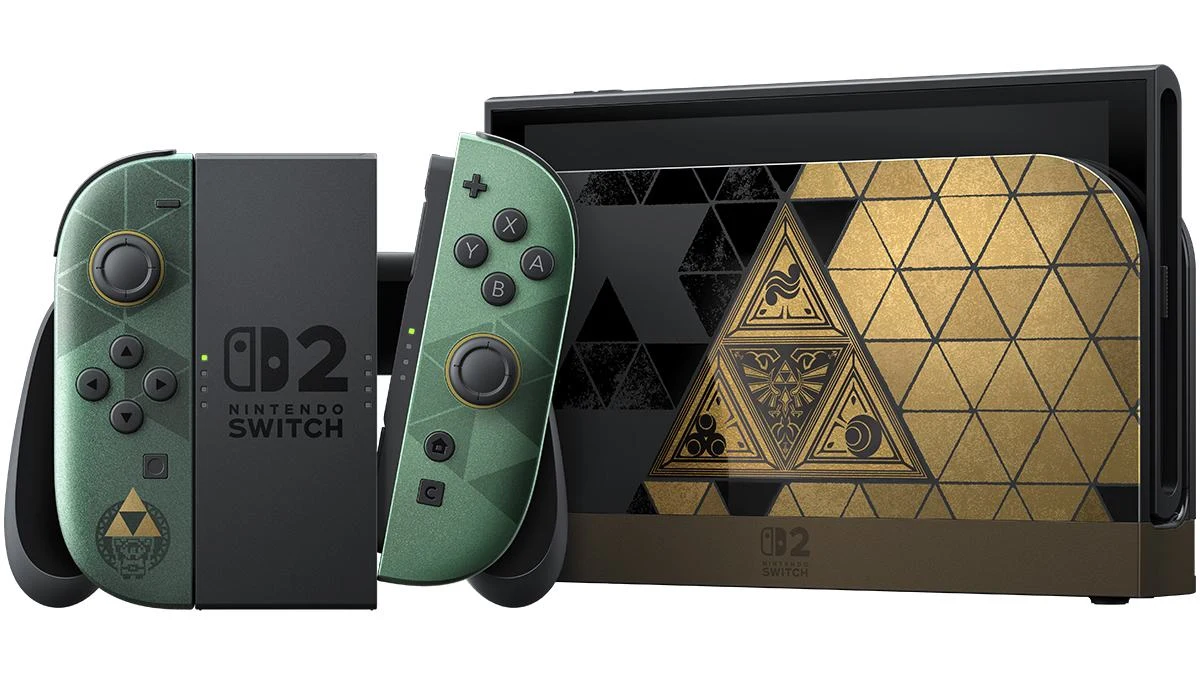
- Primary keyword: nintendo switch 2 the legend of zelda 40th anniversary edition ebay is a marketplace search phrase, not proof of authenticity.
- Verify first: Check official branding, seller history, photographs, item condition, and listing details.
- Compare carefully: Separate genuine hardware, preorder claims, accessories, artwork, and fan-made listings.
- Avoid pressure: Do not pay quickly because a listing uses limited-edition or anniversary language.
- Best practice: Save the listing, document questions, and use protected checkout methods.
How to Read the Search Phrase
The phrase nintendo switch 2 the legend of zelda 40th anniversary edition ebay combines a console name, a major Nintendo franchise, an anniversary claim, and a resale marketplace. That combination can produce mixed results. A listing may describe official hardware, a bundle, a themed accessory, a custom shell, promotional artwork, or an item that simply uses popular search terms.
Treat the wording as a starting point rather than confirmation that an official product exists. A credible listing should identify exactly what is being sold and show photographs that match the description. If the title makes a large claim but the item details remain vague, move slowly and request clarification before considering a purchase.
Video Highlights:
- The title matches the full search phrase used for this guide.
- The clip can provide a visual reference for presentation and naming.
- It does not independently verify an official release, seller, price, or stock status.
- Use the eBay listing itself and official Nintendo information for purchase decisions.
Official Hardware
Look for a clearly identified console model, manufacturer details, included items, and consistent official branding.
Accessory
Controllers, cases, docks, plates, decals, and carrying bags may use Zelda artwork without being a console edition.
Custom Item
Custom shells or modified hardware should be labeled clearly and should not be presented as factory-original merchandise.
Media or Artwork
Posters, mockups, digital designs, and promotional images can appear in searches despite not being hardware.
Read the item category and description before judging the title. Marketplace titles often combine popular terms to improve visibility, while the actual product may be much narrower.
| Listing Signal | What It May Indicate | Recommended Response |
|---|---|---|
| Exact model information | Potentially identifiable hardware | Compare the model details with official references |
| “Custom” or “modded” wording | Modified or third-party item | Ask what parts were changed and who performed the work |
| Stock-only image | Limited visual proof | Request current photos of the exact item |
| Multiple unrelated keywords | Search optimization | Read the description and category carefully |
| No condition details | Higher uncertainty | Do not assume the item is new or complete |
Verification Checklist Before Buying
A strong listing makes it easy to answer five questions: What is the item, who made it, what condition is it in, what is included, and what happens if the transaction goes wrong? If the seller cannot answer those questions, the listing is not ready for a confident comparison.
Use the product description, photographs, seller feedback, and checkout terms together. One attractive image is not enough to establish authenticity. Pay special attention to inconsistencies between the title, item specifics, description, and photographs.
Identify the Exact Product
Determine whether the listing is for a console, bundle, accessory, custom modification, display item, or digital design. The word “edition” alone does not define the product.
Inspect Current Photographs
Check the front, back, packaging, labels, ports, seals, included accessories, and any visible wear. Current photographs are more useful than generic promotional images.
Review Seller History
Examine feedback volume, recent ratings, return behavior, and previous sales. A strong history is useful context, but it does not replace item-specific evidence.
Ask Written Questions
Ask whether the item is official, modified, complete, tested, and backed by a return policy. Keep answers inside the marketplace message system.
Confirm Protected Checkout
Review the final total, shipping terms, return rules, and buyer protection before paying. Avoid requests to move payment or communication outside the platform.
Never assume that “40th Anniversary” is an official product designation. Ask the seller to distinguish manufacturer branding from fan-made, custom, or descriptive language.
| Verification Area | Questions to Ask | Warning Sign |
|---|---|---|
| Identity | What exact item is included? | Title and description disagree |
| Authenticity | Is it official, licensed, or custom? | Seller avoids a direct answer |
| Condition | Is it new, used, refurbished, or modified? | Condition field is incomplete |
| Completeness | Are the box, dock, controllers, cables, and inserts included? | “As pictured” with no item list |
| Returns | What is the stated return process? | No clear return information |
Comparing eBay Listings Without Overpaying
Price comparison is difficult when listings do not describe the same item. A sealed console, a used console with themed accessories, a replacement shell, and a promotional display piece should not share the same benchmark. Start by grouping listings by product type, condition, completeness, and seller reliability.
Do not use the highest asking price as evidence of market value. Sellers can choose any asking price, and a listing may remain unsold. Completed-sale information, when available through the marketplace, is more useful than an isolated active listing.
Like-for-Like
Compare the same product type, condition, region, included accessories, and packaging status.
Total Cost
Include shipping, taxes, import charges, accessories, and possible repair or replacement costs.
Risk Adjustment
Treat vague descriptions, poor photos, and weak return terms as reasons to demand stronger evidence.
| Comparison Factor | Lower-Risk Listing | Higher-Risk Listing |
|---|---|---|
| Product identity | Specific item and model details | Broad anniversary wording |
| Photographs | Multiple current images | One stock image |
| Condition | Clearly stated | Missing or contradictory |
| Seller history | Relevant recent feedback | Little or unrelated history |
| Returns | Clear marketplace terms | No practical return path |
A useful comparison note records the listing title, item category, condition, included contents, shipping cost, seller feedback, and return policy. This prevents an attractive photograph from overshadowing a weaker description.
Compare total delivered cost and transaction risk, not just the number displayed beside the item title. A cheaper listing may become less attractive after shipping, missing accessories, or repair needs.
| Cost Element | Why It Matters | Record This |
|---|---|---|
| Item price | The seller’s starting ask | Exact displayed price |
| Shipping | Can change the real total | Domestic or international cost |
| Taxes or duties | May apply at checkout | Final checkout amount |
| Included items | Missing parts reduce value | Console, dock, controllers, cables, packaging |
| After-sale risk | Repairs can exceed savings | Return policy and seller response |
Common Listing Problems and Safe Responses
Marketplace listings can be misleading without being obviously fraudulent. Some problems come from careless wording, while others may reflect deliberate attempts to create urgency. The safest response is to separate what the listing proves from what it merely suggests.
Be especially cautious when a seller uses countdown language, claims that an item is the only example available, or refuses to provide a current photograph. Scarcity can be real, but it should not replace documentation.
- Mockup presented as product photography: Ask for photographs of the physical item from several angles.
- Accessory described like a console: Confirm the category, compatibility, and manufacturer.
- Custom work omitted from the title: Ask whether the shell, artwork, or internal parts were changed.
- Incomplete bundle: Request a complete list of included components.
- Off-platform payment request: Keep the transaction within protected marketplace checkout.
- Unclear regional compatibility: Confirm language, power requirements, account restrictions, and warranty coverage.
If the seller pressures you to pay immediately, refuses reasonable questions, or changes the agreed item after checkout, stop and preserve the written record.
Before You Purchase:
- Confirm whether the item is official, licensed, custom, or third-party
- Match the photographs to the exact item being sold
- Review condition, completeness, seller feedback, and return terms
- Calculate the final delivered cost before comparing listings
- Keep messages and payment inside the marketplace protection system
For platform-specific rules, review the current eBay Money Back Guarantee information, accessed September 11, 2026. For Nintendo branding and product announcements, use the official Nintendo website, accessed September 11, 2026.
Recommended Buying Workflow
The best workflow is deliberately slower than impulse buying. First establish what the listing is, then test whether the evidence supports the claim, and only afterward compare the price. This approach works for official hardware, accessories, custom items, and collectible merchandise.
Save Several Comparable Listings
Collect listings that appear to represent the same type of item. Remove obvious accessories, mockups, and unrelated products before comparing prices.
Build a Shortlist
Keep listings with clear photographs, complete descriptions, credible seller history, and understandable return terms.
Contact Sellers
Ask concise questions about authenticity, condition, modifications, included items, and testing. Give sellers an opportunity to correct unclear information.
Recalculate the Total
Include shipping and other checkout charges. Compare the final amount with the evidence and protection offered by each seller.
Document the Purchase
Save the listing, messages, photographs, receipt, and tracking information until the transaction is complete and the item has been inspected.
| Decision Stage | Green Light | Pause or Reject |
|---|---|---|
| Identification | Exact item is clear | Product type remains uncertain |
| Evidence | Current photos support the description | Only stock images are available |
| Seller contact | Direct, consistent answers | Evasive or pressuring replies |
| Price | Total cost matches comparable listings | Price depends on unverified rarity |
| Checkout | Protected payment and clear terms | Request for an off-platform transaction |
The safest interpretation of a Nintendo and Zelda anniversary eBay search is “investigate the listing,” not “assume the edition is confirmed.” Evidence should control the decision.
Q: Is the nintendo switch 2 the legend of zelda 40th anniversary edition ebay search phrase proof of an official console?
No. A marketplace search phrase can combine popular terms without proving that the named edition is an official product. Verify the item category, manufacturer claims, photographs, and supporting details.
Q: What should I ask an eBay seller about a Zelda anniversary listing?
Ask whether the item is official, licensed, custom, or third-party; what condition it is in; which accessories are included; whether it has been modified; and what return terms apply.
Q: How can I compare prices between listings?
Compare like-for-like items using condition, completeness, seller history, shipping, taxes, and return protection. An active asking price is not the same as a confirmed market value.
Q: Should I buy if a seller says the item is extremely rare?
Treat rarity claims as unverified until the listing provides convincing evidence. Avoid rushed decisions, request current photographs, and compare the claim with official information and similar marketplace listings.